Ensuring Your Safety on the Road
A windshield is more than just a piece of glass: it’s a critical safety component of your vehicle. It provides structural support, protects occupants from road debris and works in tandem with airbags during a collision. When a windshield becomes chipped or cracked, addressing the damage promptly is essential to maintaining both safety and visibility. But should you choose a repair or a full replacement? Understanding the differences between a full windshield repair vs replacement can help you make the right decision when damage occurs.
What is a Windshield Repair?
Windshield repair is a process used to fix small chips, cracks or pits without removing the glass from the vehicle. During a repair, a technician injects a specialized resin into the damaged area. The resin is then cured and polished, restoring the clarity of the glass and preventing the damage from spreading.
Repairs are typically quick, often taking 30 minutes or less and are cost-effective, making them an excellent option for minor damage. Many insurance companies even cover repair costs completely because repairs preserve the existing windshield and reduce claims.
What is a Windshield Replacement?
Windshield replacement involves removing the entire damaged windshield and installing a new one using industry-standard adhesives and safety procedures. This process usually takes about an hour for installation, followed by a curing period to allow the adhesive to set properly.
Replacement is essential when the windshield’s structural integrity is compromised or when damage is extensive. Modern vehicles often contain sensors, cameras and advanced driver-assistance systems in or near the windshield, meaning replacement also frequently includes recalibration of safety systems.
How to Decide Between Windshield Repair vs Replacement
Choosing between a repair and a replacement ultimately comes down to safety, clarity, extent of damage and long-term reliability. While a professional inspection is always the most accurate way to decide, the following considerations offer clearer guidance:
1. Evaluate the Size and Type of Damage
- Small chips and short cracks (typically under 6 inches) are usually good candidates for repair.
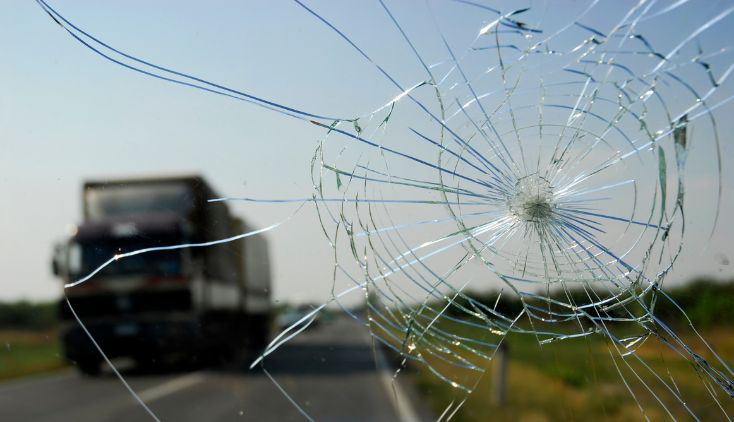
- Star breaks, bull’s-eye chips and combination cracks can often be repaired if they haven’t spread.
- Long cracks, cracks that branch into multiple directions or chips that are deep enough to penetrate the inner laminate require replacement to maintain structural safety.
2. Consider the Location of the Damage
- A small chip in a non-critical area—somewhere that doesn’t affect visibility or compromise strength—can usually be repaired.
- Damage in the driver’s primary viewing area is more problematic. Even a high-quality repair can leave slight visual distortion, so a replacement is often recommended to ensure clear and safe driving visibility.
- Cracks near or touching the windshield’s edge compromise overall strength, making replacement the safer option.
3. Think About Structural Integrity and Safety
Windshields contribute significantly to vehicle structural support, especially during rollovers and airbag deployment. If the damage threatens the glass’s ability to function as a safety device, replacement is the only appropriate solution.
- If damage affects multiple layers of the glass.
- If the crack shows signs of spreading.
- If the area is under tension due to frame proximity—a replacement will restore full structural performance.
4. Assess the Age and Condition of the Damage
Timing matters.
- Fresh chips can often be repaired cleanly.
- Older damage that has collected dirt, moisture or debris may not yield a clear repair and could still leave visible flaws or weakened areas. In these cases, replacement may be the better long-term choice.
5. Consider Weather and Driving Conditions
Climate plays a role in determining the urgency and the best solution:
- Areas with extreme heat or cold cause glass to expand and contract, increasing the likelihood that small cracks will spread.
- If you regularly drive on rough roads, the additional vibration may also worsen existing damage.
- When conditions increase the risk of worsening cracks, replacement is often the more reliable option.
6. Take ADAS Technology into Account
Many modern vehicles have Advanced Driver-Assistance Systems (ADAS) built into or mounted near the windshield, including lane-keep cameras, sensors and automatic braking systems.
- A repair may be possible if the damage is far from these components.
- A replacement becomes necessary if the damage interferes with the sensor area or if recalibration is required to ensure the system functions correctly.
7. Factor in Insurance and Cost Considerations
Many insurance policies fully cover repairs, making them the most cost-effective option.
- Replacements typically require paying a deductible, though they may still be partially or fully covered depending on your policy.
- While cost can influence the decision, safety should remain the top priority.
8. Weigh Long-Term Reliability
A repair is fast and convenient, but it may not always restore the windshield to perfect condition.
- If the vehicle is older or you plan to keep it for many more years, a replacement may provide better durability and peace of mind.
- If you are preparing to sell the vehicle, a clear, crack-free windshield may improve resale appeal.
When in Doubt, Ask a Professional
Both windshield repair and replacement offer important benefits, but knowing which option is appropriate depends on the size, location and severity of the damage. Repairs are ideal for small, contained imperfections, while replacements are necessary when cracks are large, obstruct vision or weaken the structural integrity of the vehicle.
Addressing windshield damage promptly ensures your car remains safe, functional, and ready for the road ahead.